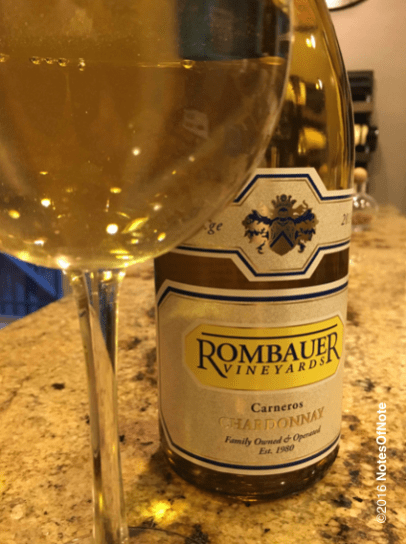
2014 Chardonnay, Rombauer Vineyards

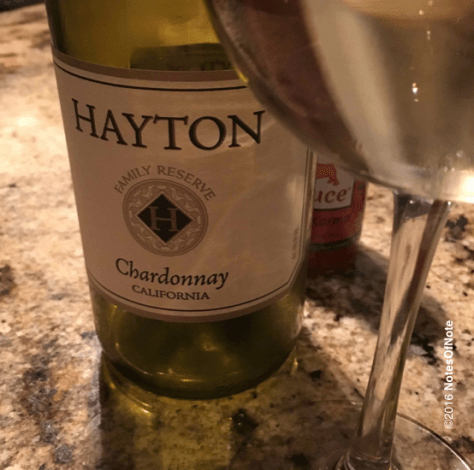
Earlier this spring, the Rombauer Chardonnay was recommended to me by a speaker who was wrapping up a highly successful webinar for dental students across the U.S. It was her celebratory drink and one she often served to friends new and old, and I can totally understand why. It’s one of the best I’ve ever had, a natural comp to my friends at Buena Vista and their most excellent Chardonnay.

2013 Chardonnay, Rombauer Vineyards, Carneros, California, USA.

2013 Chardonnay, Rombauer Vineyards, Carneros, Napa, California, USA.

Earlier this spring I saw the wine available through an online shipper but declined that first time. When I saw the Rombauer shelved at my favorite wine shop (I was there for the Caymus tasting), I knew I had to pull a bottle and give it a go. My first mistake was buying only one, but it goes back on a short list for next time.

The 2014 vintage is fantastic, the commensurate hint of butter to be sure, but mostly a melon scent that is refreshing even on the nose before you taste it. It pours golden in the glass, much richer in tone than a Grigio, and layers in other citrus smells that I can’t quite put my finger on. It’s bright and sweet, but not sticky sweet like the Riesling recently covered here in Notes (only click if you want the contrasting opinion), and you almost feel like you could drink it after a hot summer day or workout.

Additional facts from the Winery:

  • The vineyard started producing Chardonnay in 1982
  • The Carneros region where the grapes are grown is known for its cool climate and clay soils–which yield great fruit flavors and “fresh” acidity
  • Harvested August 28th to October 11th, 2014
  • Stored 9 months in American and French oak barrels (1/3 new)
  • Released in August of 2015
  • Received the gold medal at the 2016 Hilton Head Wine Festival (which sounds amazing even as I type this)

Thanks, Rombauer Vineyards, for the helpful details on your delicious wine.

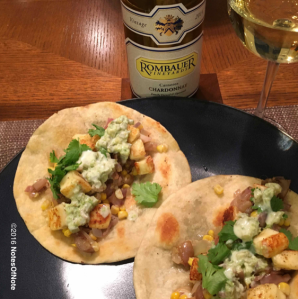
Queso tostadas with summer vegetables and a spicy cream sauce.

Queso tostadas with summer vegetables and a spicy cream sauce.

The 2014 Chardonnay from Rombauer Vineyards accompanied a new meal, one I’d never had before and thoroughly enjoyed. Pan toasted tortillas were the delivery tool for summer vegetables that included corn, fairy tale eggplant, and purple bell pepper. That’s queso para freir, which browned up really nicely, and the whole thing is seasoned not only with garlic and shallot but also a spicy crema of milk, lime zest, lime juice, and jalapeño. When I read the recipe I was only lukewarm on its potential, but as the smells started bouncing around the kitchen I was hooked. How did the cheese brown instead of melt? Really cool…

Kitchen magic aside now, a special thanks to you, Ms. Ireland, for setting me on a fun journey with your favorite bottle. It’s going to be one of mine too and I appreciate the gift you shared with your recommendation. Can’t wait to pass it on…

The Fleming’s 50/50 Tasting Event

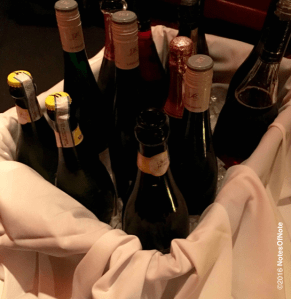
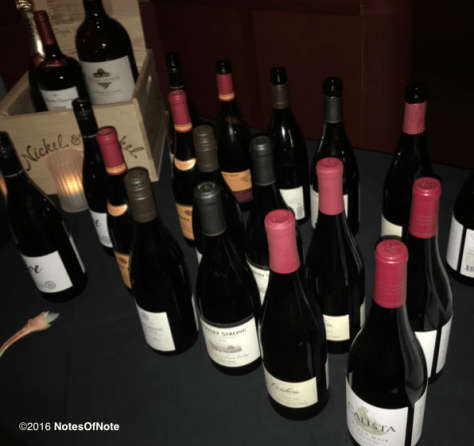
Enlisted my brother and I for this wine adventure the moment I saw the promotion from Fleming’s Steakhouse–the August showing of the “100 Wines One Summer” series. We did the Uber thing to and from this tasting so that we could relax and enjoy new wines without having to figure out who had to be the designated driver. That being said, here’s how the evening unfolded for this guy:

  1. JCB by Jean-Francois Boisset
    Some whites (this one is a 100% Chardonnay) have more of that oak smell or flowers to them, while others–like this JCB–carry more fruit notes. This sparkling, produced in Burgundy’s Cote d’Or region, was served to us after signing in at the registration desk. Nice apply start to the tasting.Screen Shot 2016-09-05 at 5.54.14 PM
  2. Pinot Grigio, Maso Canali
    My last white tasting this night, a blend of 95% Pinot Grigio and 5% Chardonnay, jumped out when described by the hostess. She was tending to an array of whites, and her notes zeroed me in on this Italian wine…I know someone (you know who you are!) who would have really liked this white. The Grigio lead the way in terms of taste, and I am not sure I could have determined the Chardonnay in the mix if I had not been told of its inclusion.
  3. Pinot Noir, Wine by Joe
    Jumped softly into the pool of reds with this raspberry-scented Pinot, produced by Joe Dobbs in the Willamette Valley region of Oregon. I eschewed Mark West and Meiomi offerings in order to try something new in the Joe. Little bit of cherry in this gentle Pinot, which was quite delicious and a welcome shift from the whites.
  4. Pinot Noir, Rodney Strong
    I’ve sampled the Strong previously, and both the vineyard and any Russian River Valley Pinot Noir make a compelling argument to repeat a tasting (despite what I literally JUST said about the West and Meiomi). I was not disappointed at all. It’s beautiful cherry, soft, and aromatic in the glass…even the vanilla notes I enjoyed in the Rodney tasting. One of the evening’s highlights to be sure.
  5. Malbec, Pascual Toso
    We soon thereafter moved to table 3, some international reds, and my first and only selection from this grouping was this Malbec from the Mendoza region of Argentina. Sadly my notes are sparse on this offering, other than to say “lush fruits.”
  6. 2012 Liberated Cabernet Sauvignon
    Table four consisted of California reds, and those who read Notes with any frequency can imagine we drifted quickly to this area and stayed here the longest. This Sonoma County Cab was superb; expresso and dark cherry and mocha all wrapped into one dark, delicious beauty. Even had a little smokey hint to it…in many ways this red had all the nuances that I like about California Cabernet.
  7. 2014 Round Pond Cabernet Sauvignon 
    The McDonnell family in Napa Valley (the Rutherford AVA as I read later) is responsible for this peppery and blackberry-tasting Cab. Some of this wine reminded me of good Syrah–perhaps its spice notes and the generous mouthfeel? In another year or two this one is going to be spectacular, and I was sort of picturing myself with a whole glass of this bad boy instead of just the sampler.
  8. Chateau St. Michelle Cabernet Sauvignon
    Definitely familiar with this winery, but usually for their whites instead of reds. This one is a blend of 80% Cabernet Sauvignon, 11% Syrah, 5% Merlot, and 4% Other (whatever that means). This one was pretty complex too, and I detected earthy tones, spices, and tobacco in this jammy red. Of all the reds we tasted tonight, this one was closest to the Michael David or Caymus wines of which I’ve written from time to time. Did you know this winery is the oldest in Washington State? I just learned that myself…
  9. Hall
    This is another Bordeaux-style blend, this one 84% Cabernet Sauvignon, 9% Merlot, 5% Petit Verdot, and 2% Other. It was okay but suffered a disadvantage by following the fruit-forward Michelle and Round Pond gems. This Napa Valley offering had a peppery finish but my vocabulary (or perhaps my inexact notes) doesn’t stretch far enough with the Hall. Really enjoyed the wine, but I’d prefer another glass of many others if pressed.
  10. Paraduxx
    Who names these thing? Such an unenviable task…and my notes from this one read (no joke) “Smells like feet. Very cherry.” I was only so so on the Paradox, but I’ll offer you the following from Flemings in case ‘feet’ as a tasting note left you in the lurch: “Offering a heady mix of blueberry and cherry aromas its lingering berry and cherry flavors, this velvety lush blend is [Dan Duckhorn’s] gift to all of us.” I’m not buying…
  11. Yardstick Cabernet Sauvignon
    Much better change of pace here. This too is a Napa Valley Cab, made of grapes sourced from Atlas Peak (from where I’ve had some enjoyable wine to be sure). It had a fantastic scent in the glass, red and black fruits that I’d say were black cherry and blackberry. You get a sense of the pepper here too, one of those soft layers that sneaks into a good wine, subtly reminding you of a presence of something greater. Nice flavor in the Yardstick–which is a GREAT bit of branding btw.
  12. Greg Norman Cabernet-Merlot
    Um, yes, not a California red but I understand its inclusion in this table. It’s got that Bordeaux vibe to it for sure, with raspberry notes and dark fruits mixing together. I was kind of interested in this one (not sure I’ve had a Norman ever before) but it was only okay.
  13. Gundlach-Bundschu Mountain Cuvee
    I know. You’re saying three more still? Steve and I said much the same this Saturday night as we sampled our way from Europe to North America, South America, and Australia all in one sitting. From the name I bet you’re thinking this one is international in origin, but it’s actually a Sonoma County blend of 37% Cabernet Sauvignon, 31% Merlot, 12% Cabernet Franc, and 10% Zinfandel. If you think that sounds like inelegant science you’re mistaken. This red blend was luscious in dark fruits and had an easy finish. A surprising pleasure and I’d like another glass on a night when my palate was not being so bombarded by so many flavors just so I could share more details with you on the Gundlach-Bundschu.
  14. Double T Trefethen Red Blend
    This one too is a combination (Cabernet Sauvignon, Merlot, Cabernet Franc, Petit Verdot, and Malbec) red, Bordeaux in style. We got talking to some friendly patrons while sampling this round, and I’m afraid I have nothing of consequence to relay about the Trefethen. Wine & Spirits describes its “…plummy, jammy nose, its cherry-berry flavor profile, and its smooth, chocolate-covered finish” but I cannot recall from firsthand experience.
  15. Hills Hope
    Not sure if I should include this one or not. I am unsure of the winemaker or region for this one, or candidly the label or grape. Is very likely a red blend in the Bordeaux style, simply by its grouping at this particular table. A Google search yields too many “hills” to narrow the field, so this is definitely a clunky last entry. I wrote, “Easy finish. Dark cherry and raspberry with small tannins” but cannot be any more helpful than that. Disappointing and may even edit this one out in the future…sort of weighing the journalistic integrity either way.

Screen Shot 2016-09-05 at 5.55.23 PMI’m a little regretful that I didn’t take better stock of the vintage in the above. Most were assuredly ’13s and ’14s but I am pretty sure there were a few ’12s in the mix too. Sorry about that, fans.
That said, fifteen samples made for a great night and a great experience to share. If you like any of the above be sure to share some yourself and spread the love. -RMG

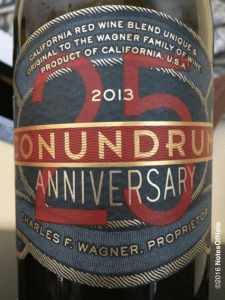
2013 Conundrum 25th Anniversary Red Blend, Conundrum Wines

Pulled out a favorite wine to share with my brother during his visit this weekend – the 2013 Conundrum 25th Anniversary red. I renewed my love affair with Conundrum about six weeks ago and had this bottle earmarked for just such an occasion.

2013 Conundrum 25th Anniversary Red Blend, Conundrum Wines

2013 Conundrum 25th Anniversary Red Blend, Conundrum Wines, California, USA.

He’s a fan of wine and has plenty of opportunities to taste excellent bottles during his business travels and home life, and of course I was interested in his feedback on the Conundrum. Would he be the fan I am? I was confident he hadn’t been exposed to this proprietary blend of the Wagner family and raised an eyebrow when he initially opted for a soda instead of wine with dinner. That decision only lasted moments before he was pulling a glass himself and swirling this red beauty for a whiff of its ample fruits.

In the Conundrum you have cherry smells and tastes in plentiful supply, and earthy, smoky notes that I’ve previously described as “dark chocolate” in their makeup. It is a fruit bomb, and yet very smooth and ready for drinking right away. Full disclosure – we did not have this bottle with a five-star, four-course dinner. It simply accompanied takeout pizza (the highlight of which, for me at least, was its garlic crust), hot out of the oven and readily devoured after our respective flights into town.

I still have not tried chilling Conundrum, preferring to serve and consume red at room temperature. The 2013 received the usual appreciation from this taster and in short time made a new fan in my brother. We are going to be talking about this wine throughout the weekend, particularly in light of future events on the horizon. Last note for you: believe me when I say neither the pie nor the bottle lasted very long!


2014 Myth Riesling, Washington Wine Works

The 2014 Myth Riesling, vinted and bottled by Washington Wine Works, arrived here earlier this summer as part of an online shipment. As a white, you might rightly expect it to sit in the rack indefinitely while reds were prioritized for dining and in Notes alike. And so it did, until this week when scorching temperatures suggested a well-chilled white might be a reasonable alternative to a cold beer or a bottle of red.

2014 Myth Riesling

2014 Myth Riesling, Washington Wine Works, Columbia Valley, Washington, USA.

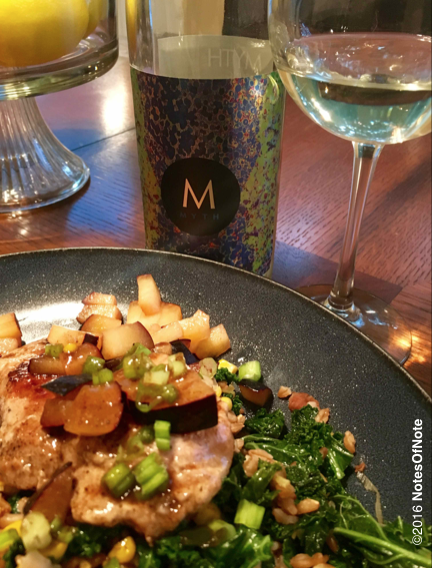
This 2014 Myth, produced in Washington’s Columbia Valley, is fragrant and sugary in the bottle and on the nose. This white smells full compared to a Pinot Grigio–does that make sense? There’s not a bit of dryness to the Riesling. Candidly, it was not as enjoyable as the Bordeaux Blanc, and I found myself limited to just a single glass at a time because of its sweetness. I still remember my first explorations of Rieslings (that’s Twisted River) but those must have been less sweet because I cannot imagine repeat purchases if they had been as sugary. On the last night/glass, I paired up Myth with a delicious pork chop dish that I’m proud to share here.

The food came out pretty well. What you see is seared pork chops and plum salsa with corn, kale, and farro salad. This is the first time (at least to my recollection) I’ve had farro and it was pretty good as seasoned with scallions and balsamic vinegar. With the kale, corn, and farro all mixed together you have a nice bit of crunch with the grains. The plum worked liked that too, a nice cool counterbalance to the seared pork chop–which was drizzled with the balsamic and butter sauce from the pan. Voila.

But this is a wine blog not a food blog, so let’s get back to the bottle. The label conveys, “Our Riesling leads with aromas of honeysuckle and nectarine with flavors of honey and orange blossom, finishing clean with balanced acidity.” I don’t know if that’s true or not–judge for yourself based on the above–but I do know I’m all set with this Riesling. I prefer to hold onto other myths.

2013 Bela’s Selection Pinot Noir, Buena Vista Winery

The dog days are here, baby, and you have to choose your beverages carefully to beat the heat. This weekend called for a treat–something memorable to the brain and taste buds alike–and standing out from some excellent options was the 2013 Bela’s Selection Pinot Noir, produced by Buena Vista Winery.

Screen Shot 2016-07-31 at 9.12.23 PM

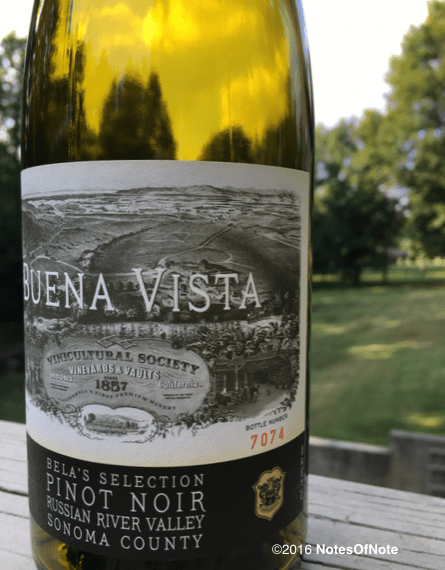
2013 Bela’s Selection Pinot Noir, Buena Vista Winery, Russian River Valley, Sonoma, California, USA.

If you’re new to Notes, understand that Buena Vista is one of the oldest wineries in all of California, and they make a helluva Pinot Noir. Sonoma’s Russian River Valley has a nearly perfect climate for these grapes, and the team at Buena Vista has had plenty of practice refining their approach. The 2013 Bela’s Selection Pinot Noir accompanied grilled steak, accented with seasoning salt and fresh crushed black pepper, both in ample supply, and sides of mixed salad greens (also peppered) and fresh broccoli.

The wine is headsy stuff. Another Russian River Pinot has graced these pages in the recent past and, while good, it cannot measure up to the Buena Vista. This one is not thin, and it’s not weak. It has some substance to it, definitely more blackberry in the works here and less strawberry or vanilla. It pours dark…not Cabernet dark, mind you, but not transparent either. The 2013 Bela is lip-licking delicious, and it is so mild in its finish–an important requisite as the temperatures here have soured all day long.

Quotes the winemaker, “This Pinot Noir displays dark fruit and sandalwood in the glass while each sip delivers layer after layer of complex flavors. Cranberry and cassis layered with blackberry contribute to this penetrating Pinot Noir’s rich, spreading finish.

Buena Vista only produced 800 cases of this gem, and specifically I’m describing bottle #7074 this evening. It rocked, and I am very grateful to have had the pleasure. Hoping you do too sometime soon. Enjoy…


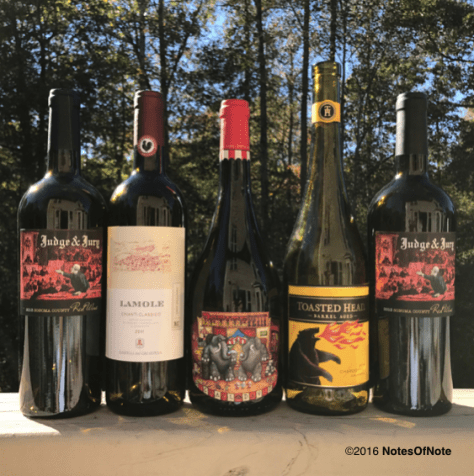
2013 Judge & Jury, Kunde Family Estate

Is it odd that this wine catches my eye because of “The Prisoner”? While I’ve never had that particular red blend, this evening marks the occasion of my first bottle (a 2013) of the Judge & Jury from Kunde Family Estate in Sonoma, California. Years ago my wife and I visited this esteemed winemaker while traipsing through some of Sonoma’s amazing vineyards but I am 100% positive we didn’t taste the Judge & Jury on that trip. Candidly, I’m not sure it had been created by that time.

2013 Judge & Jury, Sonoma County, Sonoma, California, USA.

2013 Judge & Jury, Kunde Family Estate, Sonoma County, Sonoma, California, USA.

Fortunately, it exists today and my wine rack holds three more bottles even after this first one fades into distant memory. It is pretty delicious, the brain child of Kunde’s Zach Long, and a Zinfandel-influenced red blend. The 2013 Judge & Jury combines Zinfandel, Cabernet Sauvignon, Merlot, and Syrah grapes into one easy-drinking yet bold wine. It’s aged in 20% new oak to manage the tannins, and the outcome is a very smooth finish that you’ll enjoy. Of the Judge & Jury the winemaker comments, “The 2013 Judge & Jury artfully combines the intense fruit flavors and tannic qualities of Cabernet Sauvignon, the softness and body of Merlot, and the spice of Zinfandel and Syrah into its own unique style.

This purple bit of goodness is packing notes of black cherry and black raspberry, and you’ll definitely vibe out some vanilla stick and white(?) pepper too. I’ll look forward to sharing additional notes on the Judge & Jury as I make my way through successive bottles of this Sonoma treat.


2012 Summation Red Wine Blend, Vintner’s Reserve, Kendall-Jackson

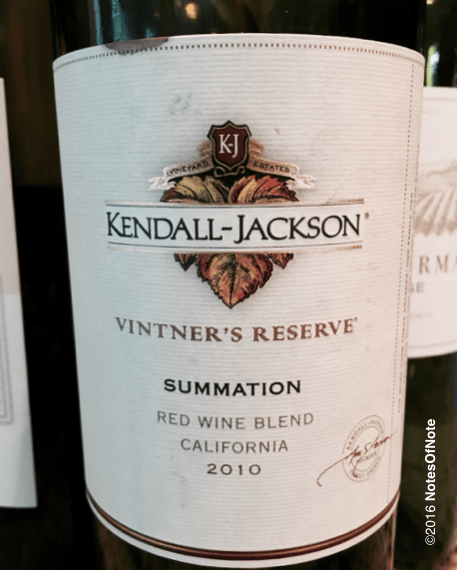
Kendall-Jackson is recognized by oenophiles and neophytes, a brand you can find in fine wine stores and grocery stores alike. I picked this one up in the latter, looking for a midweek bottle that would pour for a few evenings after conference calls and “deliverables”. I’ve sampled a few vintages (2010, 2012) of the Summation in the past and thought this a worthwhile refresher course.

2012 Summation Red Wine Blend, Vintner's Reserve, Kendall-Jackson, Santa Rosa, California, USA.

2012 Summation Red Wine Blend, Vintner’s Reserve, Kendall-Jackson, Santa Rosa, California, USA.

And so pour it did, accompanying several meals that were fairly unremarkable other than their ability to provide some basic sustenance after days in the salt mines. The 2012 Summation Red Wine Blend, Vintner’s Reserve, from Kendall-Jackson, was the best thing about each of those meals (e.g., beef tacos, grilled chicken). It’s not quite a Merlot or a Cabernet Sauvignon but clearly a blend of their favorable attributes. There are fewer tannins in play in the Summation than a Cabernet Sauvignon, but it’s got a bit more heft than a Pinot Noir or a Zinfandel. The 2012 Summation is almost one of those wines you want to chew, because it has some near-edible notes of chocolate or dark cherry. Dark and juicy, and inky good red in the glass.

When the opportunity presented itself later this week, I bought another Summation (this one a 2010) and will keep it handy for the near future. That says as much as anything you just read. Give it a shot–you’ll find it very serviceable and accessible.