2022 “Gun Bun” Cabernet Sauvignon, Gundlach Bundschu Winery

My introduction to Gundlach Bundschu came via the Mountain Cuvée, featured at my favorite wine shop back in 2017. Since then, I’ve had several opportunities to enjoy this historic winery’s work—and now, it’s time to talk about the 2022 “Gun Bun.”
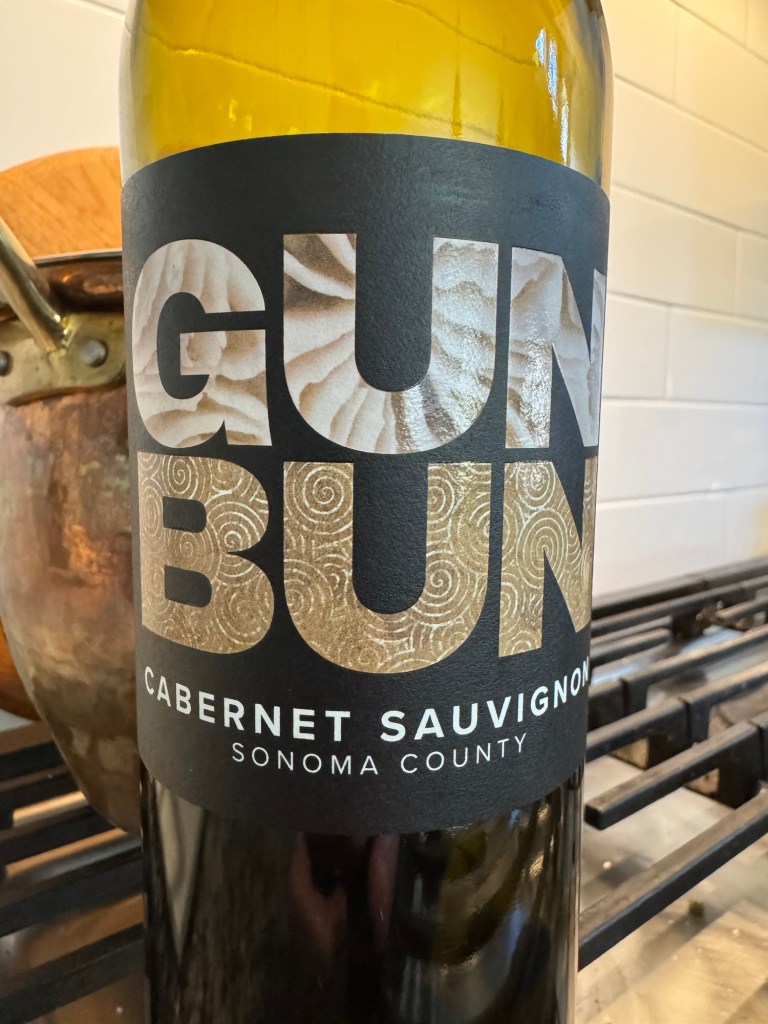
2022 “Gun Bun” Cabernet Sauvignon, Gundlach Bundschu Winery, Sonoma County, California, USA.

Like Buena Vista Winery, which shows up frequently in Notes, Gundlach Bundschu (est. 1858) takes real pride in its old-school roots. (No pun intended, I swear.) Still family-owned, the winery sits in the Mayacamas Mountain range of Sonoma Valley, on a 320-acre estate with seriously promising terroir. It’s bordered by the Carneros district to the south and impressive Napa neighbors to the east.

Lower on the estate, they grow Pinot. But once you get above 150 feet, you find hillside blocks of Cabernet Sauvignon and Merlot planted in rocky, shallow soils made up of volcanic ash and alluvial wash. If you’ve read Notes before, you know diverse terroir like this is exactly my kind of thing.

As for winemaking: the fruit is hand-harvested, optically sorted, and aged for 18 months in French oak barrels (45% new). The winery produces both an estate Cabernet and this “Gun Bun” 2022 Sonoma County Cabernet Sauvignon—a bold, approachable alternative. It comes in under $20, making it an excellent “weekday wine” for the dinner table.

In the glass, it pours a deep cherry red, and that dark cherry note really leads the way. I picked up some blackberry too—dark fruit flavors all around—with smooth, balanced tannins and an easy finish.

Anyone else tried the 2022 Gundlach Bundschu Estate Cab? I’m eyeing it for the near future. In the meantime, I’m more than happy with this “Gun Bun” as a solid, budget-friendly option.

As always, thanks for giving Notes a read—and cheers!

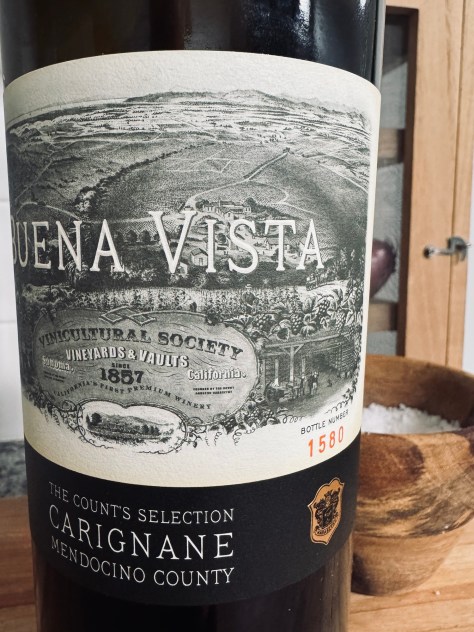
2023 The Count’s Selection Carignane, Buena Vista Winery

Previously Notes has covered the Buena Vista Carignane, and it’s been consumed in this house on several occasions that did not result in a review. This new 2023 vintage arrived with my Spring 2025 release and I regret to report I did not let it age sufficiently before opening the bottle. If I recall correctly, I’d reached a Friday evening and was reluctant to have “week day wine” to start the end of a busy work week.

2023 The Count’s Selection Carignane, Buena Vista Winery, Mendocino County, California, USA.

For a review of the upside conveyed in a Carignane produced by my favorite Sonoma winery, click here and read about the 2011. I’m more than a little shocked to read that entry is more than 10 years ago and probably 300 or 400 reviews in the past? Of the 2023 (bottle #1580), I’ll simply write that I was not fair in opening it nearly right away upon receipt. It aged just days here, and certainly not months or years, and it was just far too immature to convey all the goodness I appreciated in the older vintage(s).

I’ll look forward to my next Carignane, and other treats from the team at Buena Vista Winery, and simply note that I jumped the gun on this one. Raising a glass to you all, and thanks as always for following!

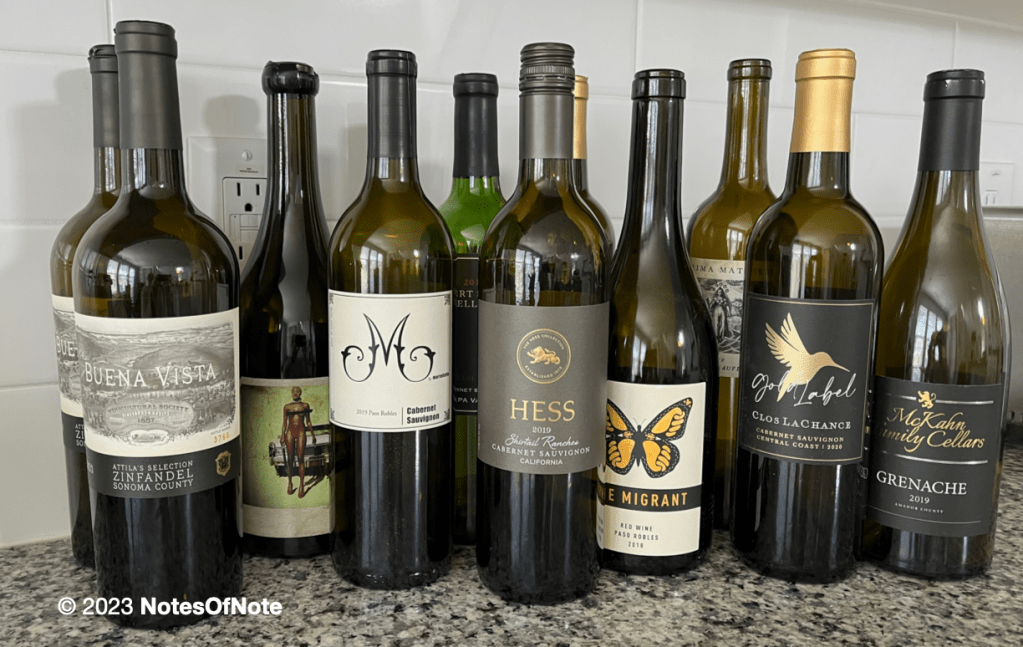
The Ones That Got Away – Spring 2023

2019 Attila’s Selection Zinfandel, Buena Vista Winery, California, USA; 2019 Machete Red Wine, Orin Swift Wines, California, USA; 2019 Cabernet Sauvignon, M by Martellotto Paso Robles, California, USA; 2019 Cabernet Sauvignon, Robert Story Reserve, Napa Valley, California, USA; 2019 Shirttail Ranches Cabernet Sauvignon, Hess, California, USA;  2018 Bodega de Edgar Migrant Red Blend, Paso Robles, California, USA; 2019 Cabernet Sauvignon, Prima Materia, California, USA. 2020 Gold Label Cabernet Sauvignon, Central Coast, California, USA; 2019 Grenache McKahn Family Cellars, Amador County, California, USA.

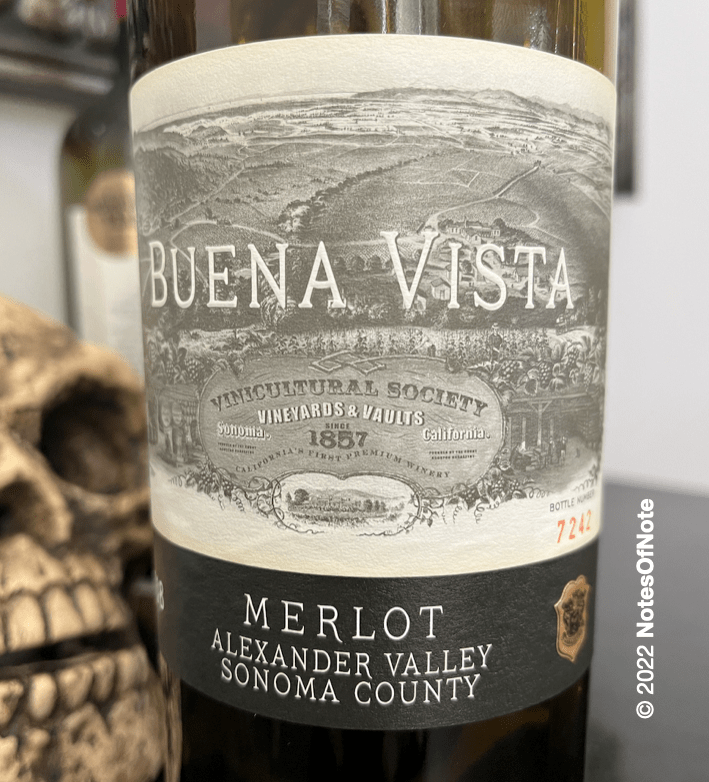
2018 Alexander Valley Merlot, Buena Vista Winery

Good stuff in the mix here – firstly the 2018 Alexander Valley Merlot from Buena Vista Winery, and secondly a pan-roasted lemon garlic butter salmon with feta and olives—so delicious!

2018 Alexander Valley Merlot, Buena Vista Winery, Sonoma County, California, USA.

Yes this one’s an individually numbered bottle (mine is 7,242) and this wine deserves special attention. The 2018 Alexander Valley has all the marks of a great merlot. As it hits your glass, there are clear aromas of plum and dark cherry. It’s colored nearly purple in your glass, and concentrated, dark fruit notes are plentiful. The 2018 Alexander Valley Merlot has a really easy, silky finish.

What of the accompanying dinner? Salmon is always a great treat, and this was nice, fresh, and savory—accented with lemon, smoky paprika, and just a hint of crushed red pepper. There’s a kicked up olive dressing that drops a hint of salt and garlic into your ideal bite, too. The foodstuffs turned out about as well as I could have hoped, and kudos to Half-Baked Harvest for the helpful recipe and my very kind “sous chef” for her timely knife skills and unending encouragement.

Overall, this 2018 Alexander Valley Merlot made for a relaxing and satisfying Saturday night—and just in time after long work weeks for us both and exhausting business travel. 

2006 Proximus Pinot Noir, Adastra Wines

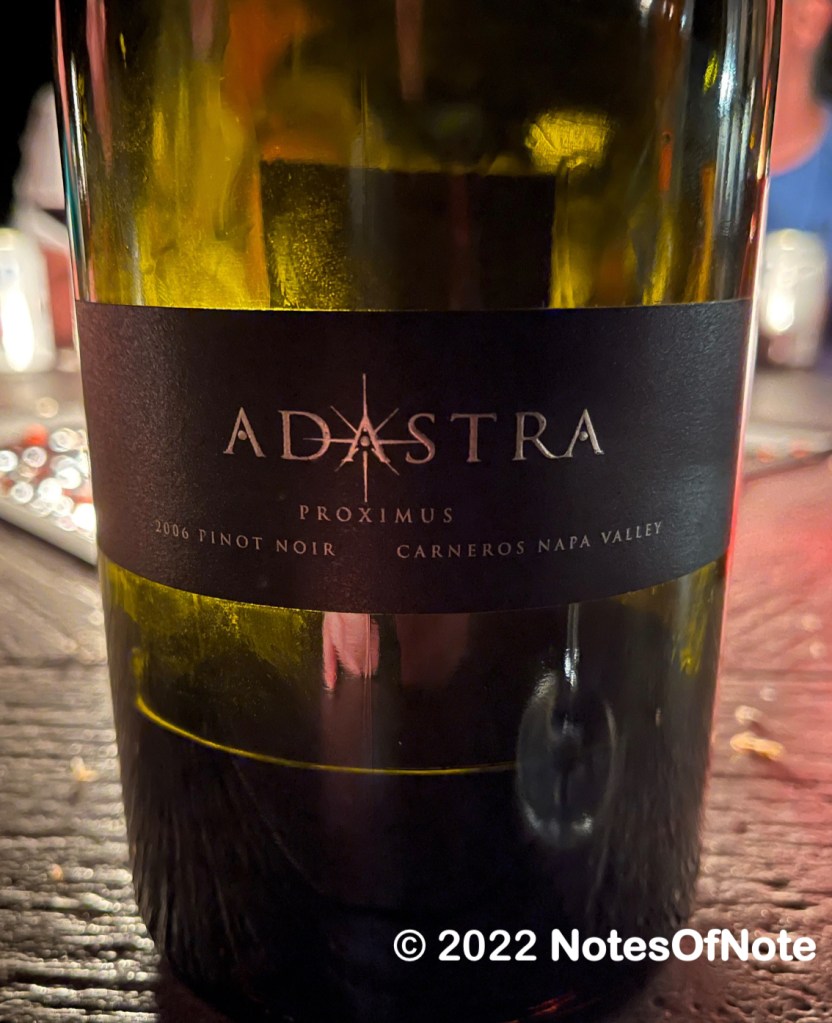
This is the second occasion I’ve been treated to a Proximus Pinot from Adastra, this one a 2006 magnum. Big thanks to the GDog for breaking this one out for Draft Weekend 2022 with the fellas. It’s an annual tradition spanning nearly 10 years, and great wine has often marked these gatherings as any follower of Notes may know.

2006 Proximus Pinot Noir, Adastra Wines, Carneros Napa Valley, California, USA.

Adastra is derived from the Latin phrase per aspera ad astra (through striving to the stars) and the history of this family-owned estate is easily accessible so I’ll spend less time on that here. Most important to you is the great Pinot created by this Carneros winery, and that Adastra prioritizes environmentally conscious farming practices for all four wines (Chardonnay, Merlot, Syrah, and Pinot Noir) they produce.*  The 2006 Proximus Pinot Noir is ruby colored and is a weightier Pinot. We busted this out around a table fire and a host of jokes, some older than this bottling and others as fresh as this pour. 

Knowing my fandom of all things wine, the guys asked how I tasted the 2006 Proximus Pinot Noir. It almost felt like a challenge, from these lifelong friends who have seen me drink crappy keg beer more memorably than fine wine. Hoping I answered the call, I gauged it dark cherry to taste, with notes of burnt matches or charcoal on the nose. Very fruit-filled and substantive. They pushed further (of course!) and asked if there was “earth” to the wine. Lots of laughs as we swirled the wine in our glasses and debated terroir for a few moments. I mulled this over and stuck to my original tasting notes—not earthy or peat moss but rather charcoal or maybe pepper. And tannins more like a Cab than I’d usually equate to a Pinot.

Adastra has produced two different Pinot Noirs, a Regulus and Proximus; the latter made only in very small quantities as the “best of the best”. In Latin, Proximus means “closer” and the winery uses the term to mean “closer to the stars”. The 2006 Proximus Pinot Noir was developed by Pam Starr, the winemaker for many years at Adastra (and now a consultant, I think), and was quite exceptional. Our only gaffe was setting the bottle too close to the flames but that was far overshadowed by our clear enjoyment of gathering together again after all these years.

I’m so thankful for the brotherhood, for friendships that span miles and decades. I appreciate too great wine like Adastra’s 2006 Proximus Pinot Noir and George for sharing it with us all. Looking forward to the next gathering and next Adastra too! 

*Adastra has been a California-certified organic farmer for more than 15 years and eschews burning practices often used to curb vineyard growth, instead processing old vines with chipping machines to process yearly cuttings. 

2019 The Count’s Selection Carignane, Buena Vista Winery

There was a time in Notes history when I scrambled to capture every bottle, every wine tasting adventure, seemingly every random thought about wine. Several hundred bottles later, that pattern has slowly changed with opportunity (and to some extent, taste). These days I always find time for a glass and a thought, but not always for sharing feedback in this modest column. 

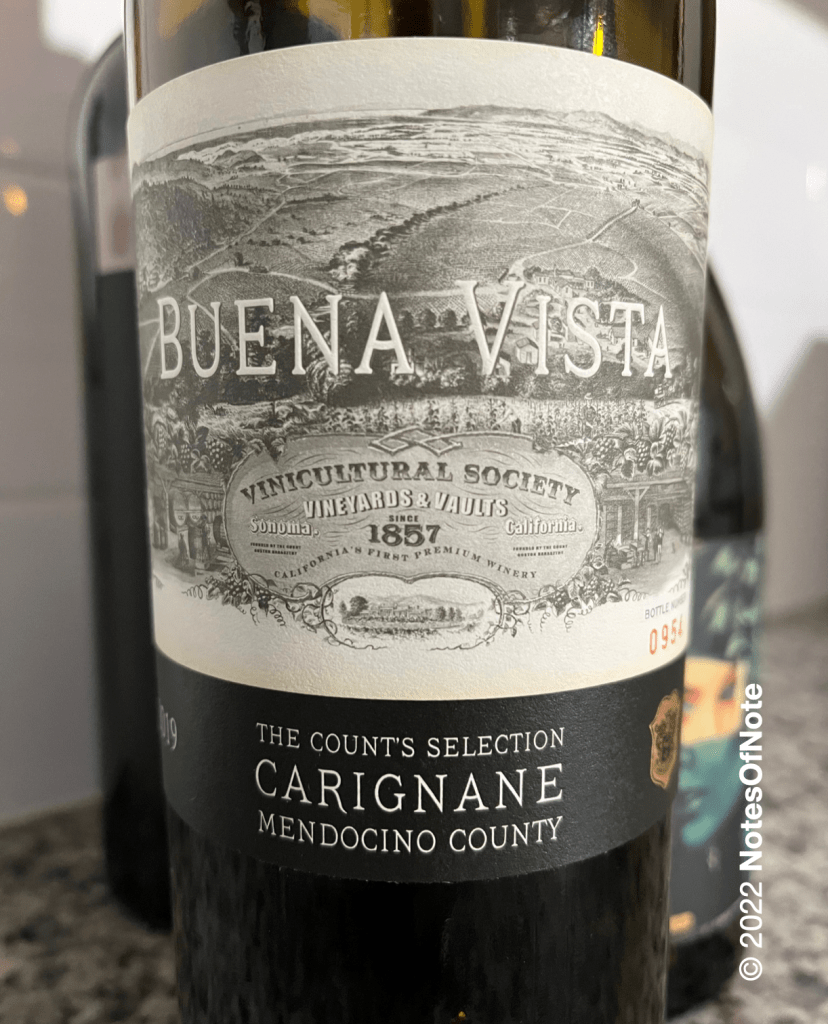
2019 The Count’s Selection Carignane, Buena Vista Winery, Mendocino County, California, USA.

The photos? Yes, those I have for sure. Like many oenophiles I assuredly have all the labels recorded. Like others, I have a few notes and thoughts that are half-discernible in various apps and scraps of paper…and on a few rare occasions I even get ‘em down here where others can read and sample. That’s no excuse – just reality, and perhaps even a forecast of the pending “Ones that got away” Q2 2022 that is on its way soon. Here in the meantime is my take on the 2019 The Count’s Selection Carignane, from Buena Vista Winery in Sonoma, California. 

I bumped into Buena Vista’s Carignane several years ago, having cracked a bottle for friends who were in town for a quick visit. The Carignane surprised me at that time (was it my first with this grape? Think so…) and quickly found its way into my recurring order from Buena Vista Winery. This 2019 I drank a tad early…perhaps I should have left it on the rack for one more year? It’s quite good, but the tannins here felt a bit grippy. 

There is plenty of blackberry on the nose, with other red fruits in the mix too. The 2019 Carignane has the blackberry taking a lead role, but there are other subtleties involved too. It is dark, dark purple in the glass and very rich on your palate. The wine starts a little dry but the blackberry notes fill that space pretty quickly.

The winemaker notes, “Ripe, juicy flavors of red cherry and blackberry cover the palate with a hint of licorice and a touch of black pepper that lead to a long, savory finish.

According to the Buena Vista team, these are old vine grapes (an 80-year-old site known for Carignane), sourced from vines that are dry-farmed in the Ukiah region. Buena Vista harvested them in September, fermented, and ultimately aged the wine in French oak (13% new) for 15 months prior to bottling. The outcome of that production is the 2019 vintage of The Count’s Selection Carignane—I enjoyed this very much and know you will too.